June 25, 2026

Observance of National Pollinator Month in June

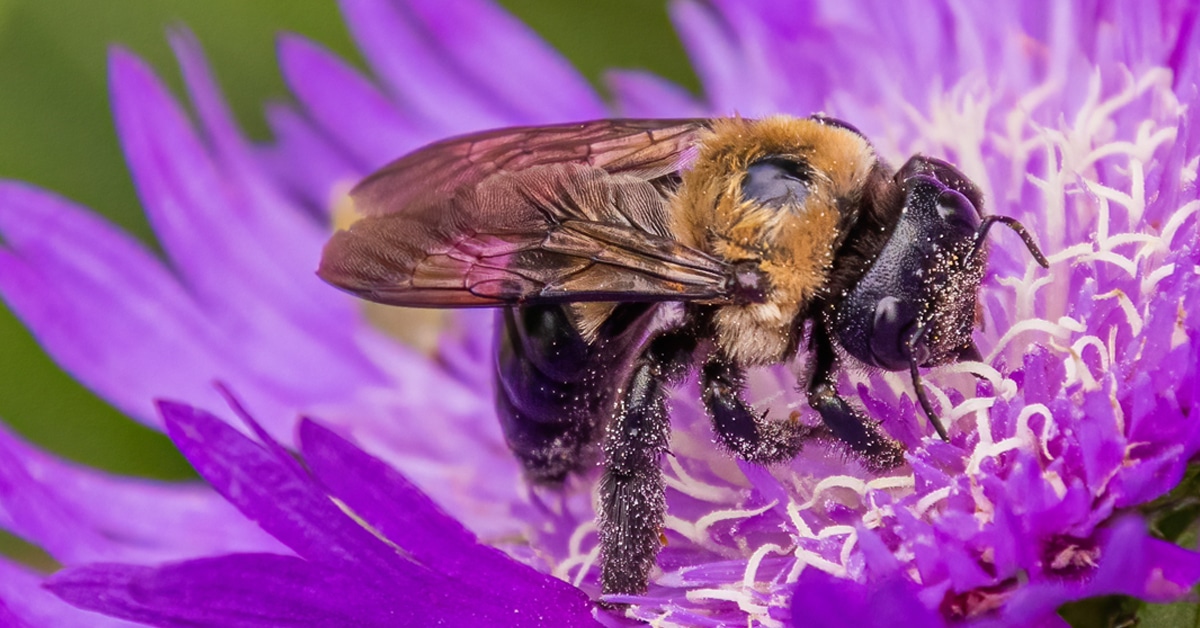
National Pollinator Month is observed every June. It is a month devoted to celebrating our pollinators such as butterflies, bees, birds, and other species that maintain our ecosystems. All pollinators have faced declines because of habitat loss, disease, pesticide and herbicide use. This month is dedicated to raising awareness about pollinators, restoring their habitats, and… Read more


June 18, 2026

Out in the Field: Inclusivity in Wildlife Biology

Andrew Tri, PhD, CWB, joined Wild Virginia last week to celebrate Pride Month with a webinar on The Wildlife Society’s Out in the Field Initiative. Tri serves as both the Bear Project Leader for the Minnesota Department of Natural Resources and as an organizer for the Initiative, which works to build a network of support… Read more


June 9, 2026

A New Tool for Accessing DEQ Records

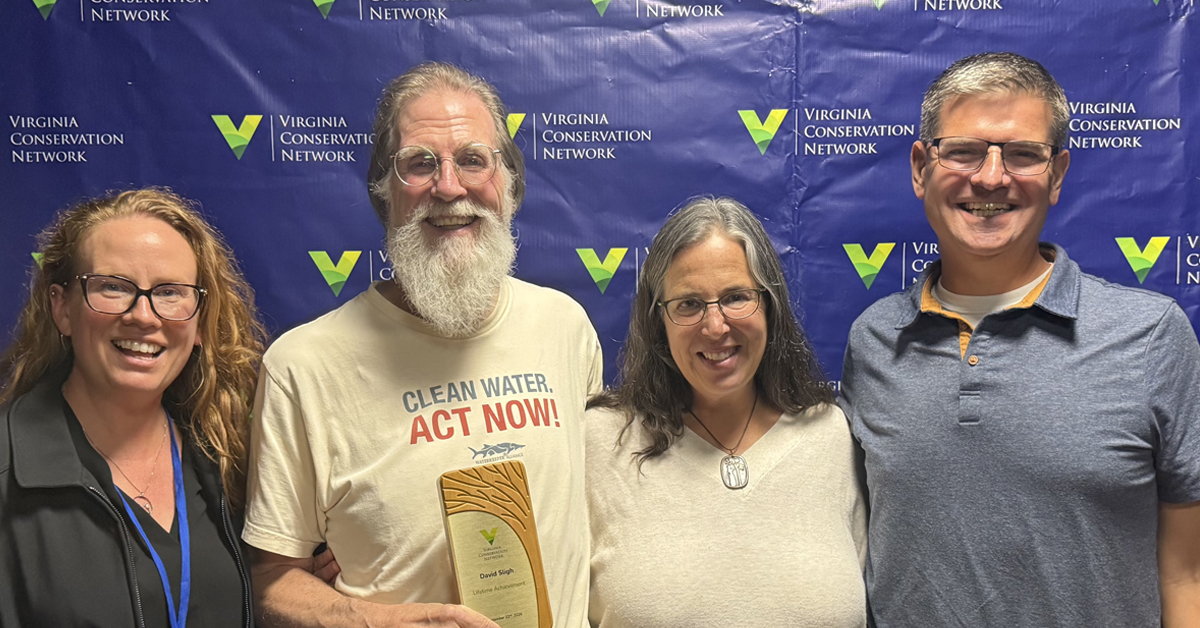
Wild Virginia has prompted a significant improvement in public access to records from the Virginia Department of Environmental Quality (DEQ). On May 12th, Water Quality Program Director, David Sligh recommended that DEQ create a database containing Freedom of Information Act (FOIA) requests that have been made to the agency and to make available the documents… Read more


May 5, 2026

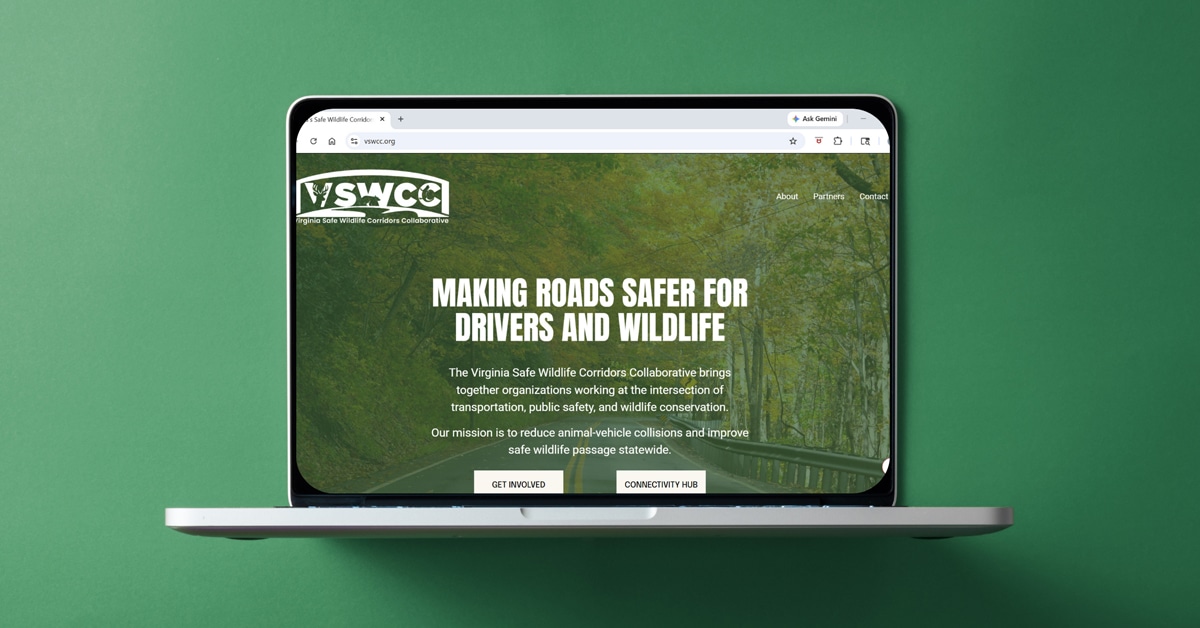
Wild Virginia Supports Launch of New Virginia Safe Wildlife Corridors Collaborative Website

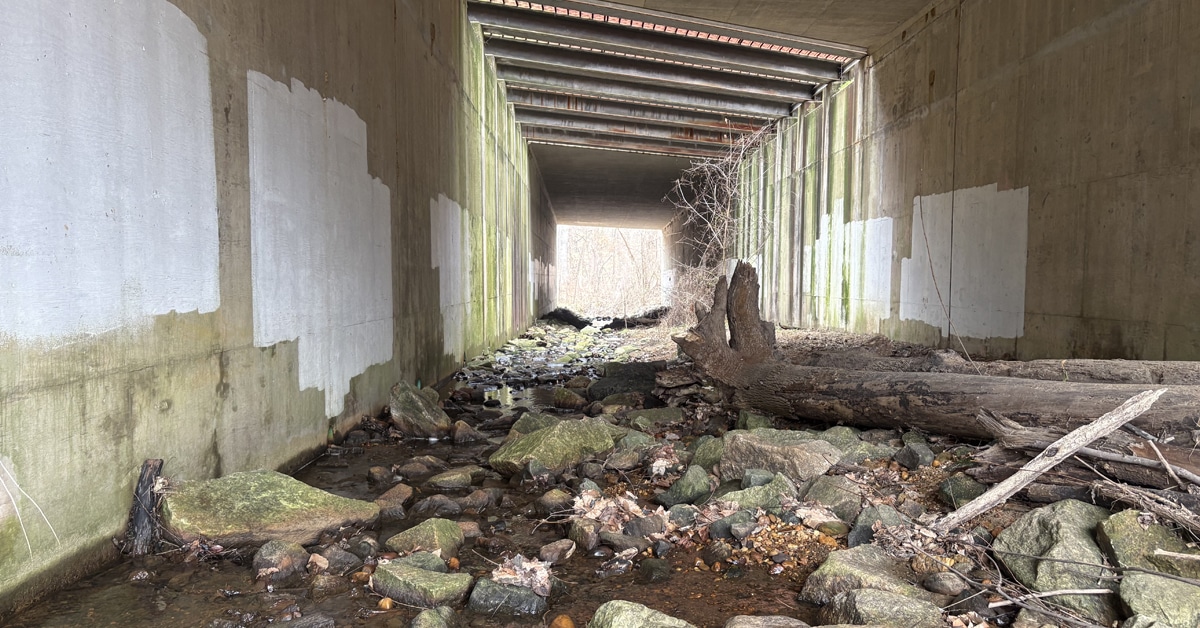
Wild Virginia is proud to share the launch of the redesigned Virginia Safe Wildlife Corridors Collaborative (VSWCC) website, designed to connect partners and highlight projects and programs, with a stronger focus on making key data easier to access and use. Through VSWCC, organizations across transportation, public safety, and wildlife conservation are working together to reduce… Read more


May 3, 2026

Protecting Clean Water Starts with Informed Voices

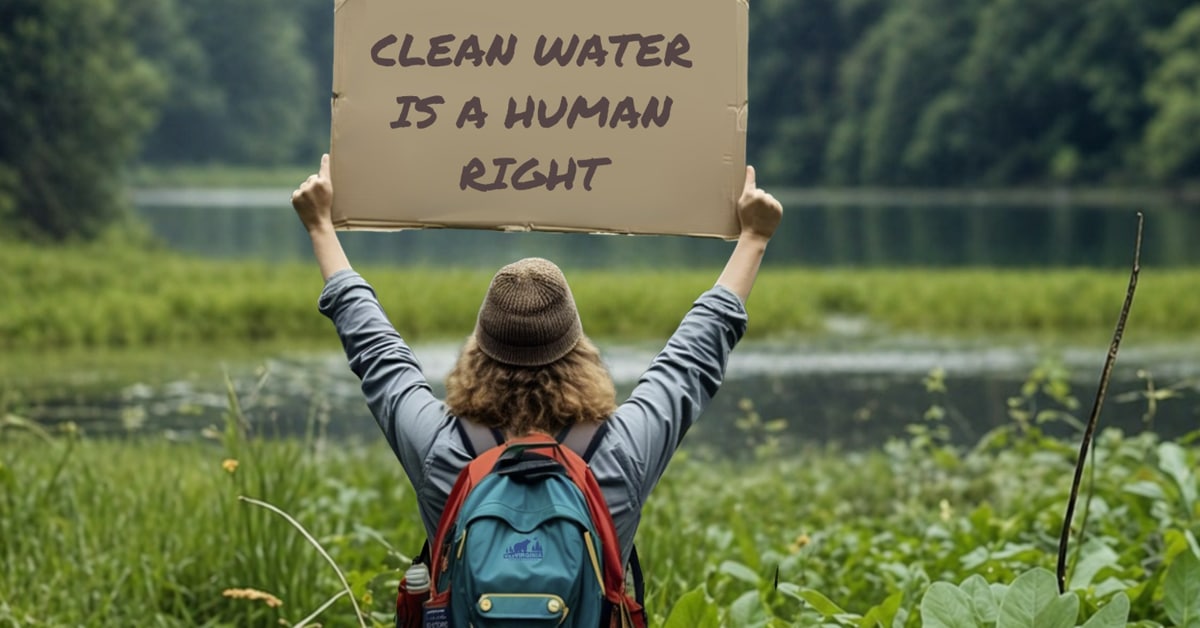
Applications Open May 15 for Wild Virginia’s Clean Water Advocates Program Clean water is a human right, but the decisions that shape what ends up in our rivers and what flows through our communities are often complex, and not everyone who wants to advocate has the knowledge or skills to influence the outcome. Wild Virginia’s… Read more


April 22, 2026

5 Ways to Start Something New This Earth Day

Earth Day started in 1970 as a call to pay attention to what is happening around us and to take responsibility for the places we call home. More than 50 years later, that idea still holds up. It is not about doing everything at once. It is about choosing to start somewhere. If you are… Read more


April 20, 2026

Environmental Groups File Challenge to Controversial SSEP Pipeline

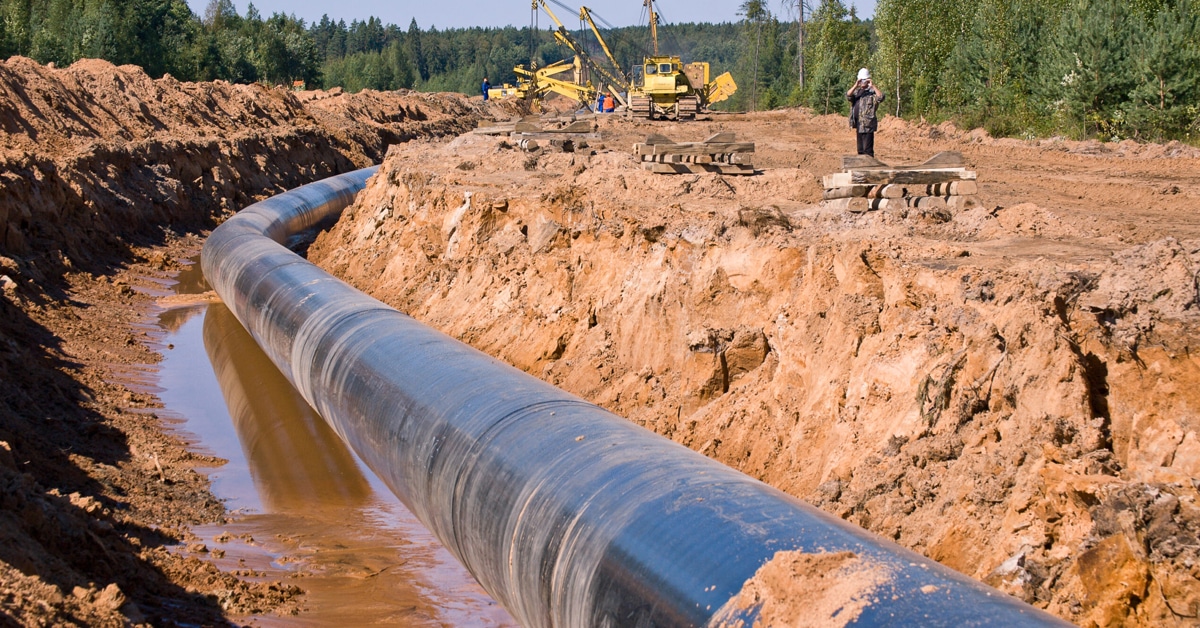
Today, several environmental groups filed a lawsuit challenging the U.S. Army Corps of Engineers’ Clean Water Act permit for the controversial Southeast Supply Enhancement Project, or SSEP pipeline.In response, the Sierra Club, Wild Virginia, 7 Directions of Service, Haw River Assembly, and Appalachian Voices released the following statements: “SSEP would trench across streams and wetlands,… Read more


April 14, 2026

Virginia Governor Signs First Wildlife Corridor Funding Bill Into Law

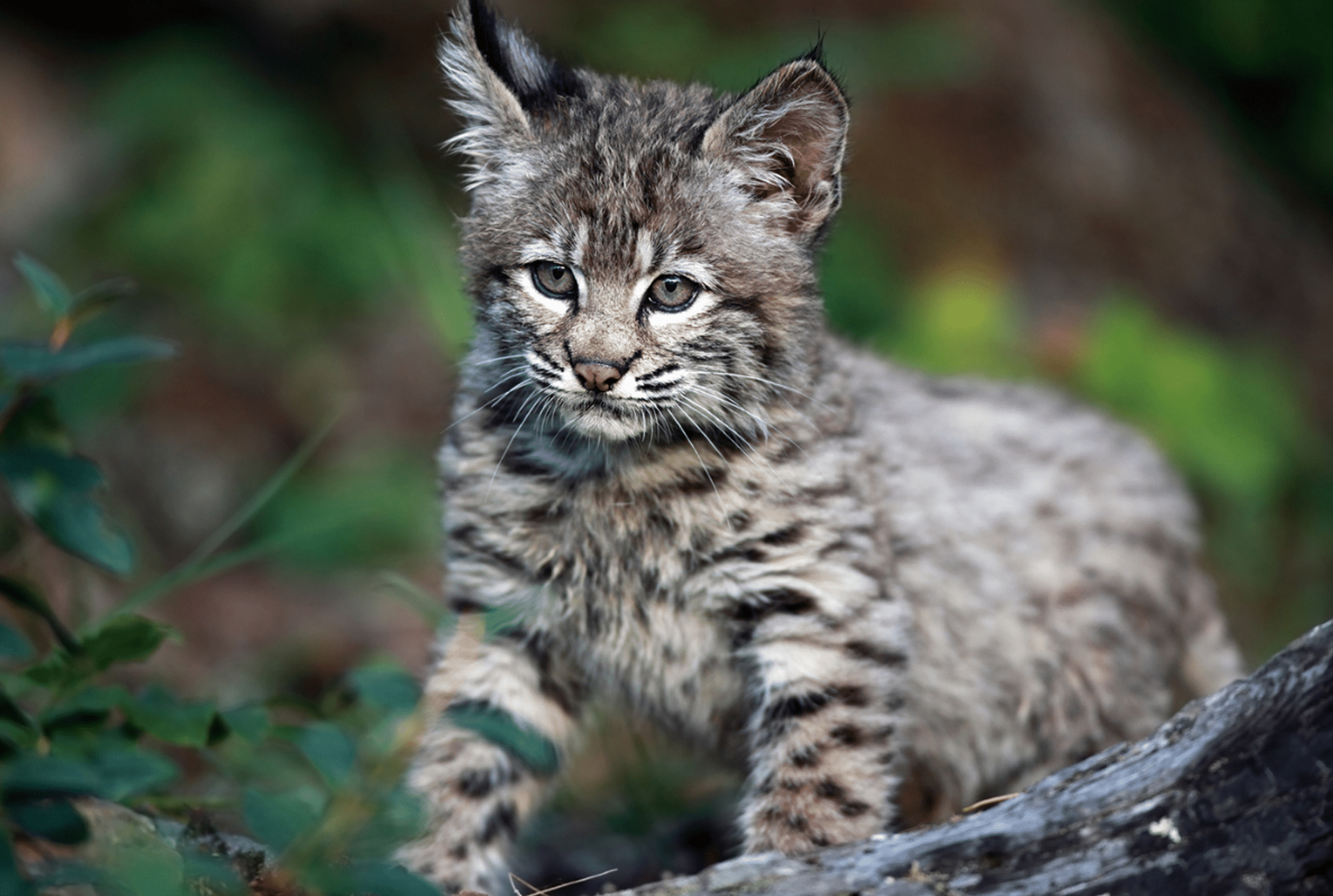
Richmond, VA – (Tuesday, April 14, 2026) – Virginia Governor Spanberger has just signed HB597, a bipartisan bill that will promote safer roadways for both motorists and wildlife. “HB597: the creation of the Wildlife Corridor Grant Fund will help reduce the $533 million Virginians currently shoulder in costs annually associated with wildlife-vehicle collisions, said Trapper… Read more


April 8, 2026

Virginia Governor Signs Pipeline Safety Bill Into Law

Richmond, VA – (Wednesday, April 8, 2026) – Governor Spanberger has signed HB1073, a bill that strengthens leak detection and repair standards for certain intrastate natural gas pipelines across Virginia. Introduced by Delegate Sam Rasoul and supported by Wild Virginia and partners across the Commonwealth, HB1073 requires the State Corporation Commission to establish regulations that… Read more


Wild Virginia is a nonprofit, tax-exempt charitable organization (tax identification number 54-1841861) under Section 501(c)(3) of the Internal Revenue Code.
Donations are tax-deductible as allowed by law.