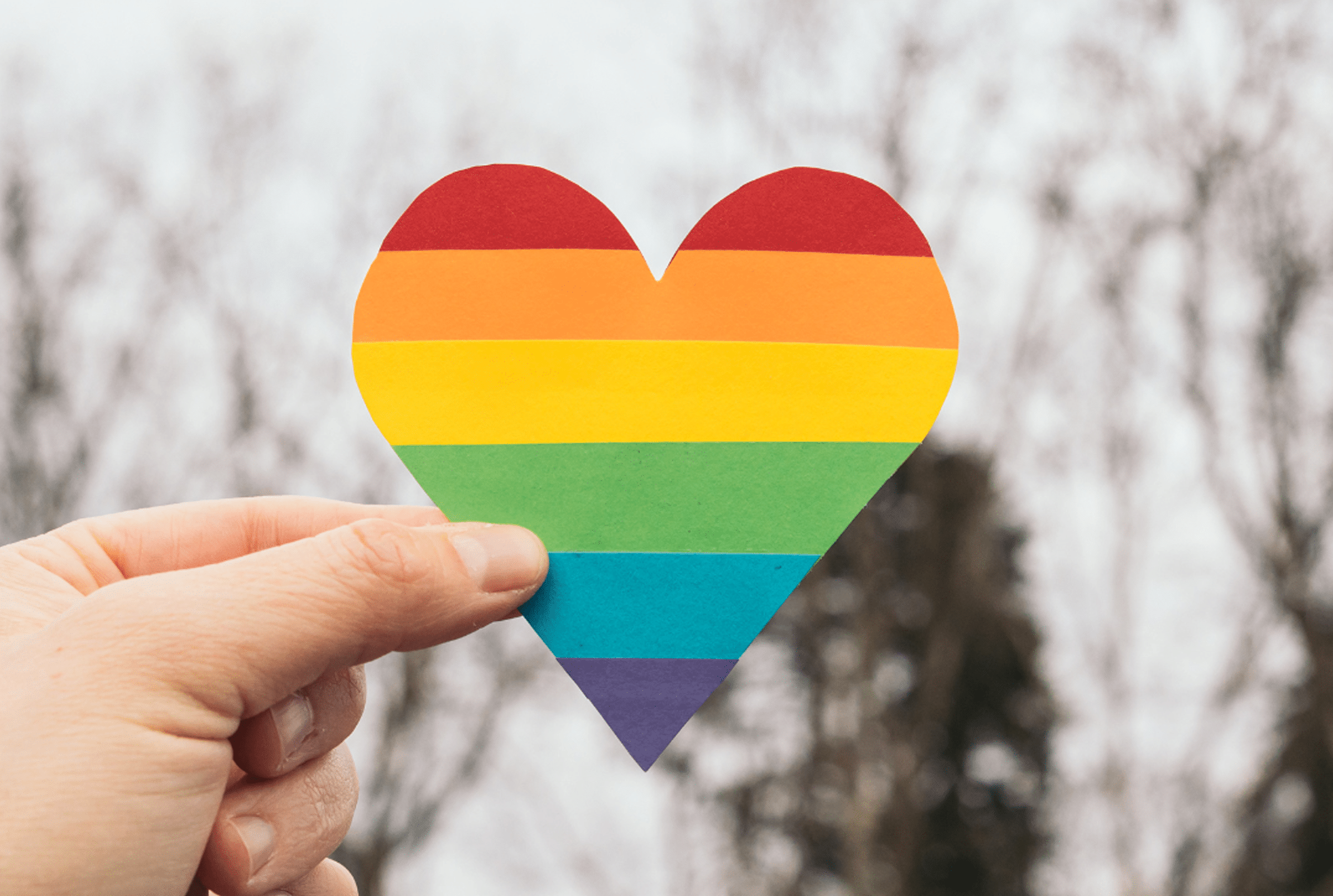
Out in the Field: Inclusivity in Wildlife Biology
Andrew Tri, PhD, CWB, joined Wild Virginia last week to celebrate Pride Month with a webinar on The Wildlife Society’s Out in the Field Initiative. Tri serves as both the Bear Project Leader for the Minnesota Department of Natural Resources and as an organizer for the Initiative, which works to build a network of support for LGBTQ+ wildlife biologists and their allies.
Visibility and support are crucial within the wildlife biology field. Studies show increased rates of discrimination and harassment for LGBTQ+ professionals in STEM fields—LGBTQ+ professionals are 30% more likely to experience harassment in the workplace—a trend that follows broader patterns of workplace discrimination across scientific disciplines.
Ongoing barriers to LGBTQ+ individuals in the United States build off a history of discriminatory societal and legal hurdles and decades of civil rights struggles. Tireless activists and their allies achieved victories in the courts after continuous battles for equality. For instance, landmark Supreme Court case Loving v. Virginia (1967) set a precedent for marriage equality, later influencing the legalization of same-sex marriage in Obergefell v. Hodges (2015).
Despite recent legislation codifying protections for same-sex couples (the Respect for Marriage Act was passed in 2022, for example), the consequences of ongoing discrimination are severe and wide-reaching. Aspiring scientists may be dissuaded from pursuing career ambitions, fears of job security prompt LGBTQ+ professionals to hide their identities, and safety concerns pervade LGBTQ+ communities.
The Out in the Field Initiative was founded in 2019 to combat these outcomes by establishing support for LGBTQ+ wildlife professionals through visibility and community. Created by four TWS members, the Initiative has expanded to host events drawing attendance from hundreds of conference participants. Wildlife professionals can show their support through Out in the Field apparel and free pins, contributing to an inclusive atmosphere within the conservation field.
In ecology, Tri noted, diversity and system maintenance is key: an ecosystem flourishes best when all its members thrive within their specific niches. The same is true within the profession responsible for ecosystem management. Diversity among wildlife professionals leads to well-rounded conservation outcomes shaped by a variety of perspectives, and Out in the Field enables the valuable impact of such diversity.
For allies wishing to learn more about how they can support the LGBTQ+ community, Tri emphasized the importance of “being out as an ally,” visibly showing one’s support to foster a welcoming culture for all within the wildlife biology profession. Educating oneself is often the first step: in addition to becoming familiar with best practices for pronoun usage and vocabulary, staying up to date with current challenges faced by the LGBTQ+ community can guide action. PFLAG is an excellent resource for anyone looking to educate themselves on how to best support the LGBTQ+ community.